
꽃의 일지 #5
공적 이해가능성
안녕하세요.
식물을 관찰하고, 오래된 것의 섬세함을 선으로 기록하는 SALEIGN’S LAIR, 살랭의 은신처입니다.
꽃의 일지에는 쓰고 싶은 것이 참 많습니다. 말을 걸고 싶은 이야기도 많고, 기록하고 싶은 생각도 많아요. 오늘은 그중에서도 제가 오래 생각해온 ‘기록의 습성’과 ‘공적 이해가능성’에 대해 이야기해보려고 합니다.
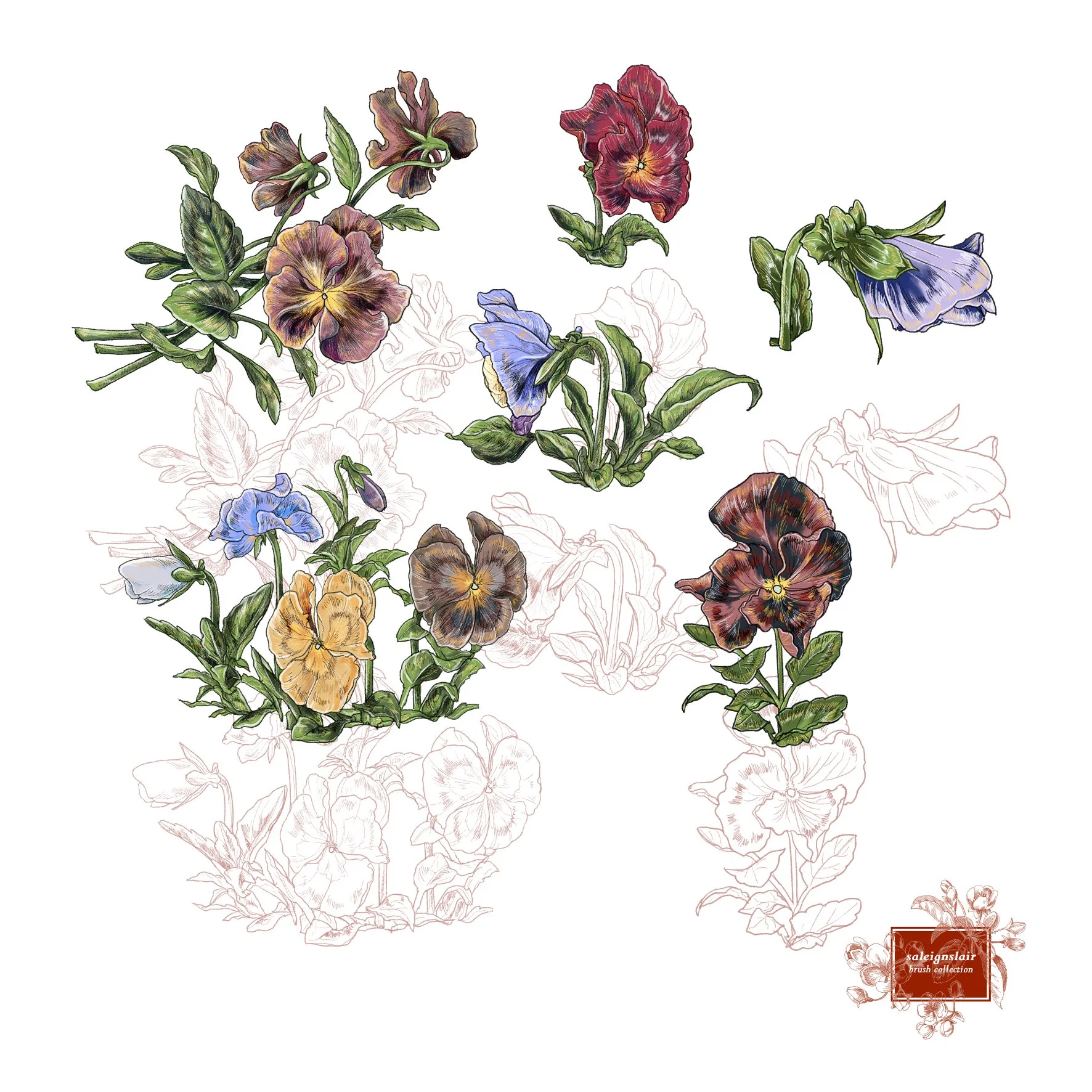
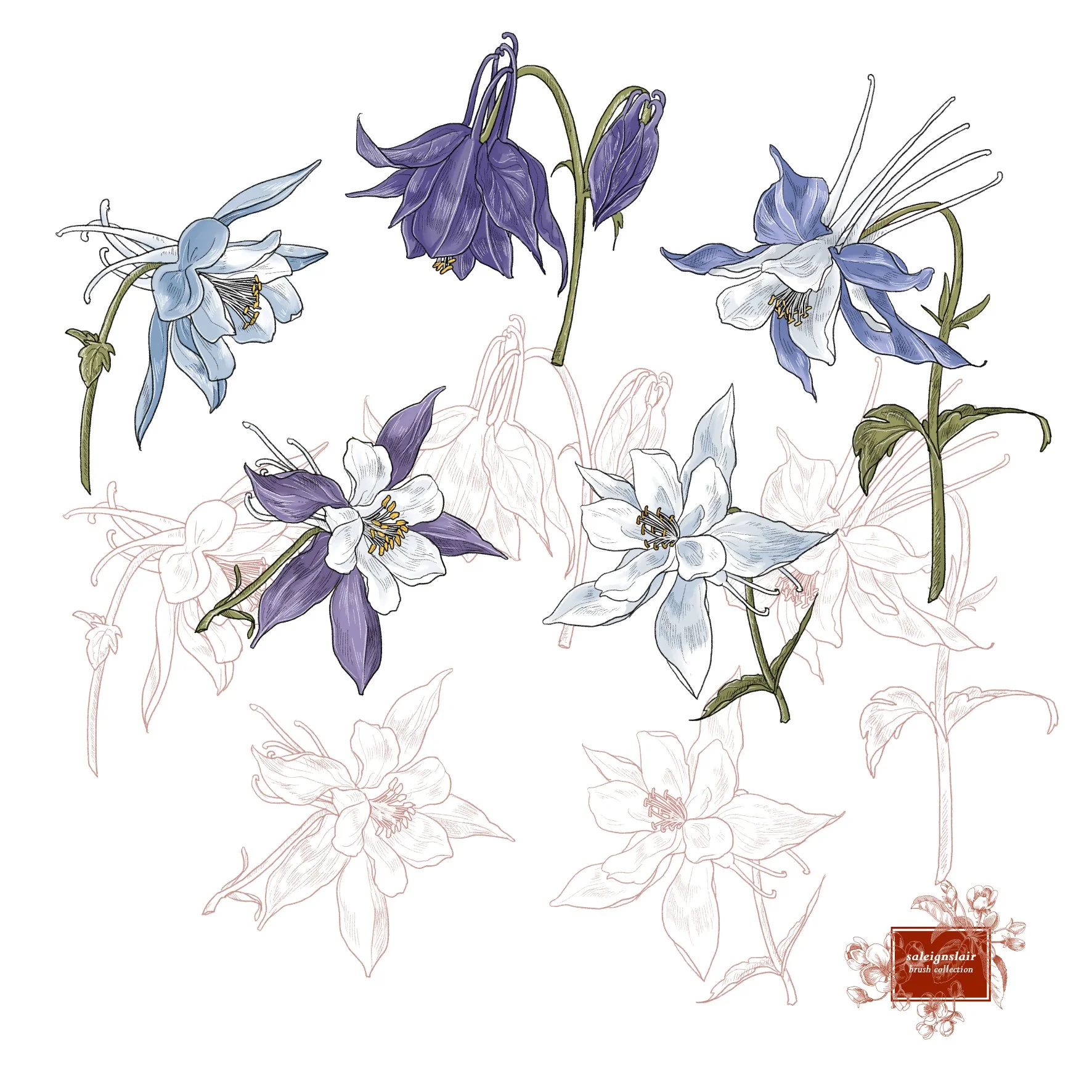
이번 그림에는 크게 두 종류의 꽃이 기록되어 있습니다. 팬지와 매발톱입니다. 매발톱은 제비꽃과 닮은 듯하면서도 독특한 형태를 가진 꽃입니다. 학명은 Aquilegia이고, 미나리아재비과에 속합니다. 꽃 뒤쪽으로 길게 뻗어나온 꿀주머니, 즉 거(spur)가 특징적이라 한 번 형태를 기억하고 나면 다시 만나기 쉬운 식물이기도 합니다. 그림 속에서 꽃잎 뒤로 길게 뻗은 부분을 찾아보세요. 매발톱이라는 꽃을 처음 보는 분이라도, 그 구조를 한 번 발견하고 나면 다음에는 훨씬 쉽게 알아볼 수 있을 겁니다.
제가 식물을 본격적으로 공부하기 시작했을 무렵, 철학 전공 과제 중 하나로 <꽃꽂이 수업 - 철학적 사고>라는 짧은 만화를 그린 적이 있습니다. 당시 저는 생명과학을 함께 공부하면서 수업이 끝난 뒤 꽃시장과 꽃집을 돌아다니고, 일주일에 몇 번씩 꽃을 사서 관찰하곤 했어요. 이 만화 역시 서점에서 책으로 만날 수 있었는데, 지금 돌이켜보면 사람이 꽃을 사유할 수 있는 짧은 철학 동화이면서 동시에, 제가 식물을 바라보는 방식이 만들어지던 시기의 기록이기도 합니다.
그 무렵 저는 지혜를 사랑한다는 뜻의 philosophia라는 말을 좋아했습니다. 지식을 갖는 것보다, 어떤 대상을 계속 바라보고 질문하고 이해해보려는 행위 자체를 좋아했던 것 같습니다. 그리고 저는 집 근처 식물이 있는 길을 거의 아지트처럼 삼았습니다. 주변에 들꽃과 나무가 많았기 때문에 몇 걸음만 옮겨도 식물을 볼 수 있었고, 그중에서도 유난히 꽃을 자주 관찰했습니다.
왜 하필 꽃이었을까요? 지금 생각해보면 꽃이 인간의 눈에도 쉽게 발견되도록 화려하고 선명하기 때문이었던 것 같습니다. 식물은 동물처럼 원하는 곳으로 이동할 수 없습니다. 그렇기 때문에 자신의 유전자를 다음 세대로 전달하기 위해 수분을 가능하게 하는 여러 방식을 진화시켜왔습니다. 우리가 흔히 풍매화, 수매화, 조매화, 충매화라고 부르는 방식입니다.
풍매화는 바람에 꽃가루를 실어 보내기 때문에 굳이 화려한 꽃잎이나 강한 향, 많은 꿀을 필요로 하지 않는 경우가 많습니다. 반면 동물이나 곤충의 도움을 받는 꽃들은 자신을 찾아올 존재에게 보다 적극적으로 신호를 보냅니다. 색을 드러내고, 향을 만들고, 꿀을 제공합니다. 어떤 꽃은 벌에게 더 잘 보이는 색을 띠고, 어떤 꽃에는 인간의 눈으로는 잘 보이지 않지만 곤충이 감지할 수 있는 자외선 무늬가 있습니다. 꽃잎 위에 그려진 일종의 길잡이인 셈입니다. 꽃 한 송이는 아름답기 위해서만 아름다운 것이 아닙니다. 그 형태와 색채와 향에는 자신을 발견해줄 존재를 향한 정보가 담겨 있습니다.
그래서 꽃을 보고 있으면 가끔 이런 생각을 합니다. 꽃은 자신의 아름다움을 ‘누군가에게 발견될 가능성’ 속에서 만들어온 존재가 아닐까. 물론 이것은 꽃이 인간처럼 의식적으로 누군가를 기다린다는 뜻은 아닙니다. 하지만 생태적인 관점에서 꽃의 색과 향, 형태는 다른 생명체와 관계 맺기 위한 신호입니다. 꽃은 완전히 고립된 채 존재하는 것이 아니라, 언제나 다른 존재와의 관계 속에서 읽히고 작동합니다.
이 생각은 자연스럽게 예술과 기록에 대한 생각으로 이어졌습니다. 예술에서는 오래전부터 표현이 무엇인지에 대한 이야기가 있어왔습니다. 예술가 A가 자신의 작품에 어떤 감정이나 생각을 표현했다고 할 때, 그것이 오직 작가 자신의 마음속에서만 존재한다면 우리는 그것을 ‘표현되었다’고 말할 수 있을까요? 반대로 관객이 작품에서 작가가 전혀 의도하지 않은 의미를 읽어냈다면, 그 해석은 작품과 무관한 것일까요? 표현, 재현, 작가의 의도, 작품, 관객의 관계에 대해서는 수많은 논의가 있어왔고, 하나의 답으로 정리할 수 있는 문제도 아닙니다. 다만 제가 흥미롭게 느꼈던 것은 ‘공적으로 이해될 가능성’이라는 조건입니다.
무언가를 표현했다는 것은, 적어도 원리적으로는 그것이 나 자신 이외의 존재에게도 읽히거나 이해될 가능성을 가진다는 것입니다. 말을 할 때 우리는 서로 공유하는 언어를 사용합니다. 글을 쓸 때도 마찬가지입니다. 한국어로 쓰든 외국어로 쓰든, 혹은 기호와 그림을 이용하든, 기록은 어떤 방식으로든 자신의 내부에 있던 것을 바깥으로 꺼내는 행위입니다. 그 순간 생각은 더 이상 나 혼자만의 것이 아니게 됩니다. 누군가가 읽을 수 있는 형태를 얻게 되기 때문입니다. 저는 이것을 기록에서도 일종의 공적 이해가능성이라고 생각합니다.
그렇다고 모든 기록이 당장 공개되어야 한다는 뜻은 아닙니다. 일기는 지극히 사적인 기록일 수 있고, 누구에게도 보여주고 싶지 않은 글을 쓸 수도 있습니다. 하지만 그것조차도 흥미롭게 생각해보면 하나의 독자를 가지고 있습니다. 바로 미래의 나입니다. 우리는 어느 날 과거의 일기를 다시 펼쳐볼 수도 있고, 오래된 메모에서 당시의 생각을 발견할 수도 있습니다. 필사를 하며 마음을 다짐하거나, 오늘 있었던 일을 적어 자신의 마음을 정리하는 행위 역시 마찬가지입니다. 현재의 내가 기록을 남기고, 시간이 흐른 뒤의 내가 그것을 다시 읽습니다. 그 사이에는 작은 거리가 생깁니다. 기록하는 나와 읽는 내가 달라지는 것이지요. 그래서 기록에는 언제나 아주 작은 형태로나마 발견될 가능성이 들어 있는지도 모르겠습니다.
여기에서 다시 꽃으로 돌아갑니다. 꽃은 자신을 찾아오는 존재에게 색과 향과 형태를 내어놓습니다. 그리고 인간은 자신의 생각을 언어와 이미지와 기호에 담아 남깁니다. 둘은 전혀 다른 현상이지만, 저는 그 사이에서 묘한 닮음을 발견합니다. 발견될 수 있도록 흔적을 남긴다는 것. 내가 꽃을 찾아갈 때 꽃은 이미 자신을 찾아올 존재가 감지할 수 있는 수많은 신호를 가지고 있습니다. 그리고 내가 무언가를 기록할 때도, 그 기록은 언젠가 그것을 찾아올 누군가가 읽을 수 있는 형태를 갖게 됩니다. 아주 과장해서 말한다면, 기록한다는 것은 미래의 발견자를 위한 작은 표식을 남기는 일일지도 모르겠습니다.
제가 그리는 꽃들도 그렇습니다. 그림들은 지금 이 순간의 꽃만을 그리는 것이 아닙니다. 제가 한 시대에 식물을 어떻게 바라보았는지, 어떤 질문을 품었는지, 무엇을 아름답다고 생각했는지를 남기는 기록입니다. 그리고 가능하다면 훗날 누군가가 이 그림을 보았을 때, 단순히 ‘예쁜 꽃 그림’으로 끝나는 것이 아니라 그 안에서 한 시대의 시선과 작은 생각의 조각을 발견할 수 있었으면 합니다. 어쩌면 그래서 저는 식물을 계속 현대의 언어로 다시 해석해 그리는 일을 하고 있는지도 모르겠습니다.
종이에 무언가를 기록하는 일은 디지털 생활에 익숙해진 우리에게 잠깐의 쉼을 주기도 합니다. 전자기기에서 떨어져 손으로 쓰고, 생각을 천천히 문장으로 만들고, 마음속에서 떠다니던 것을 하나씩 밖으로 꺼냅니다. 언어로 다듬는 순간 생각은 조금 더 분명해집니다. 내가 무엇을 느꼈는지, 무엇을 이해했고 무엇을 아직 이해하지 못했는지 스스로 바라볼 수 있게 되지요. 그래서 저는 기록이 다른 사람과 소통하기 위한 행위이면서 동시에, 나 자신을 조금 더 잘 이해하기 위한 행위라고 생각합니다.
일상이 힘들거나 마음이 복잡할 때 아주 짧은 메모라도 남겨보세요. 그것을 잘 쓰거나 아름답게 정리할 필요는 없습니다. 우리가 마음을 기록하는 행위 자체가, 아직 형태가 없던 생각을 조금 더 이해할 수 있는 것으로 만들어주니까요.
꽃이 자신의 색과 향으로 세상에 작은 신호를 보내듯, 우리도 기록을 통해 자신이 지나온 시간에 작은 표식을 남깁니다. 그리고 그 표식은 언젠가 누군가에게 발견될 수 있습니다. 다른 사람일 수도 있고, 아주 먼 훗날의 나 자신일 수도 있습니다.
그것이 제가 생각하는 기록의 공적 이해가능성입니다.
오늘의 이야기는 여기까지입니다.
천천히 자라는 식물들처럼,
우리도 기록의 여정을 함께 걸어요.
꽃의 일지 #5 — 공적 이해가능성
Hello,
this is SALEIGN’S LAIR, where I observe plants and record the delicacy of old things through line.
There are many things I want to write about in Records of Flora. Many ideas I want to speak to, and many thoughts I want to leave behind as records. Today, I would like to talk about something I have thought about for a long time: the habit of recording, and the idea of public intelligibility.
Two kinds of flowers appear prominently in this work: pansies and columbines. Columbine, Aquilegia, belongs to the buttercup family. Its form can feel familiar at first, yet it has a distinctive structure. One of its most characteristic features is the long spur extending behind the flower, where nectar is stored. Once you notice this shape, it becomes much easier to recognize the plant again. If you look closely at the image, try to find the elongated structure stretching behind the petals. Even if columbine is unfamiliar to you now, once you learn this form, you may be able to identify it the next time you encounter it.
When I first began studying plants more seriously, I created a short comic called Flower Arrangement Class — Philosophical Thinking as part of a philosophy course. At the time, I was also studying life sciences. After class, I often wandered through flower markets and florists, buying flowers several times a week simply to observe them. That comic was later published in book form. Looking back, it feels like a small philosophical fable about the ways humans think through flowers, but also a record of the period when my own way of looking at plants was beginning to take shape.
Around that time, I loved the word philosophia—the love of wisdom. Perhaps what attracted me was not the possession of knowledge itself, but the act of continuing to look, question, and try to understand. I also treated the plant-filled paths near my home almost like a private refuge. There were wildflowers and trees everywhere, so even a short walk offered something to observe. Among them, I found myself especially drawn to flowers.
Why flowers? Looking back, perhaps it was because flowers are so easy for the human eye to notice. They are vivid. They are conspicuous. They ask to be seen. Plants cannot move from one place to another in the way animals can. Because of this, they have evolved many strategies for reproduction and pollination. We often speak of wind pollination, water pollination, bird pollination, and insect pollination. Wind-pollinated plants often do not need especially colorful petals, strong fragrance, or abundant nectar. Their pollen travels through the air. Flowers that depend on animals or insects, however, often signal much more actively to the creatures that might visit them. They display color. They produce fragrance. They offer nectar. Some flowers show colors especially visible to bees. Others have ultraviolet markings that humans cannot easily see, but insects can detect. These patterns function almost like guides drawn across the petals.
A flower is not beautiful only for the sake of beauty. Its shape, color, and fragrance contain information directed toward another living being. And when I think about flowers in this way, I sometimes wonder: Is a flower, in some sense, an organism that has evolved within the possibility of being discovered by another? Of course, I do not mean that flowers consciously wait to be found in the way humans do. But ecologically, floral color, scent, and form are signals. A flower does not exist in complete isolation. It is perceived, interpreted, and activated within a network of relationships.
This thought naturally led me toward questions about art and recording. In aesthetics, the question of expression has long been debated. If Artist A places a feeling or idea into a work, but that meaning exists only inside the artist’s own mind, can we truly say that it has been expressed? And if a viewer discovers a meaning the artist never intended, does that interpretation belong to the work, or is it unrelated to it?
There are countless discussions around expression, representation, artistic intention, the artwork itself, and the role of the viewer. None of these questions can be reduced to a single answer. What interested me, however, was the condition that something must at least possess the possibility of being publicly understood. To express something is, at minimum, to give it a form that could in principle be read or understood by someone other than oneself. When we speak, we use a language shared with others. Writing works in much the same way. Whether we write in Korean, another language, symbols, or images, the act of recording moves something from the interior of the self into an external form. At that moment, the thought is no longer entirely private. It acquires a form that someone else may be able to read.
This is what I think of, in the context of recording, as a kind of public intelligibility. This does not mean that every record must be made public. A diary can be deeply private. We may write things that we never wish to show anyone. And yet, even a private diary has a reader. That reader may simply be the future self.
One day, we may reopen an old notebook and encounter a thought we had forgotten. We may discover an earlier version of ourselves in a margin, a sentence, or a hurried memo. Copying out a passage by hand, writing down the events of the day, or trying to put a tangled feeling into words are all forms of recording. The self who writes and the self who later reads are not entirely the same person. Time creates a small distance between them. In this sense, perhaps every record contains, however faintly, the possibility of being discovered.
And here I return to flowers. Flowers offer color, fragrance, and form to the beings that come toward them. Humans leave thoughts behind in language, images, and signs. These are entirely different phenomena, of course, but I still find a strange resemblance between them. Both leave traces in forms that can be discovered.
When I go looking for a flower, it already carries signals that can be perceived by the creatures that approach it. And when I record something, the record also takes on a form that can be read by someone who may encounter it later. To exaggerate the idea slightly, perhaps recording is a way of leaving a small marker for a future discoverer.
The flowers I draw are like this as well. They are not only images of flowers that exist in the present moment. They are records of how I looked at plants in a particular time, what questions I carried, and what kinds of beauty I believed were worth noticing. And if, someday, another person looks at these images, I hope they do not end as merely “beautiful flower illustrations.” I hope that person might also find within them a fragment of a way of seeing, a small piece of thought, a trace of the time in which they were made.
Perhaps this is why I continue to reinterpret plants through a contemporary visual language. The act of recording something on paper can also give us a brief pause from digital life. We move away from screens. We write by hand. We slow a thought down enough to turn it into a sentence. Something that had been drifting loosely inside us begins to take shape. Once we put it into language, the thought often becomes clearer. We begin to see what we felt, what we understood, and what we still do not understand.
For this reason, I think recording is not only a way of communicating with others. It is also a way of understanding oneself a little more clearly.
When daily life feels difficult or the mind becomes crowded, try leaving even the smallest note. It does not need to be beautifully written. It does not need to be carefully organized. The act of recording itself gives form to something that previously had none.
Just as a flower sends a small signal into the world through color and fragrance,
we leave small markers in time through our records. And one day, those markers may be discovered. By someone else, perhaps. Or by a version of ourselves far in the future.
That is what I mean by the public intelligibility of recording.
That is all for today.
Like plants that grow slowly,
may we continue this journey of recording together.
Records of Flora #5 — Public Intelligibility
