
편린 Fragments
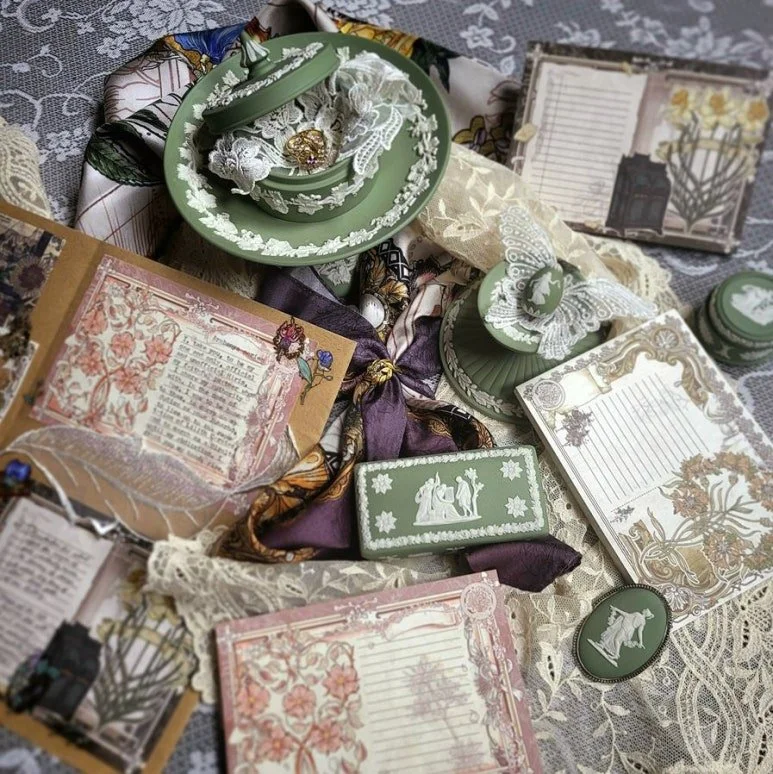
안녕하세요,
옛 것의 섬세함을 선에 담아 기록하는 saleign’s lair (살랭의 은신처)입니다.
오늘은 꽃말(Language of Flowers)에 대해 간략하게 이야기해보려고 해요.
수많은 로맨스 판타지 작품에 꽃말이 등장합니다. 꽃말은 암호처럼 상징을 가지며 연인, 사교 상대 등에게 마음을 전하는 장면에 등장하는데요. 꽃말은 언제부터 있었을까요, 그 뜻은 어떻게 정해졌을까요?
꽃말을 크게 기원을 따라 나눠 보면 이렇게 나눠 볼 수가 있는데요. (임의적으로 나눈 것입니다)
1) 종교 경전에서 유래한 것, 문화에서 유래한 것
우리가 아는 유명한 신화로는 그리스 로마 신화에서 기원한 것(아네모네, 히아신스, 월계수, 수선화...) 기독교에서 기원한 것 (무화과, 선악과...)처럼 고대부터 전 세계적으로 문화에 따라 상징성을 가지게 된 식물들이 있지요. 불교의 대표적인 꽃은 연꽃이지요. 여러 종교, 문화에서 신화, 기원 설화에 등장하는 꽃이 의미를 가지는 현상을 보실 수 있습니다.
2) 꽃의 외관에서 유래한 것
금어초는 이름과 같이, 꽃을 손으로 누르면 꽃 끝이 뻐끔뻐끔 여닫히는 금붕어 입 같아 수다쟁이라는 꽃말이 있지요. 외관에 따라 사람들이 상상한 것이 다르기에 꽃말이 충돌하는 경우도 많습니다. 개인적으로는 칼세올라리아의 꽃말이 재밌었는데 꽃이 지갑 모양으로 생겨서 꽃을 받는 상대에게 나의 재산을 다 줄게요, 라는 꽃말도 있다고 하네요. 꽃의 색깔로도 꽃말이 정해지는데 넓게 보면 외관에 포함되는 것 같아요. 노란색 장미는 대개 '사랑'이라는 장미의 꽃말에 관련되어 '파국' '깨진 사랑' '질투'를 의미하기도 하지요.
3) 꽃의 특징에서 유래한 것
예를 들면 맨드라미, 스타티스는 말라도 형태가 거의 그대로 마르기 때문에 영원한 사랑, 시들지 않는 사랑이라는 꽃말이 있고, 봉선화의 경우 유명하죠. 봉선화가 씨앗을 다 형성할 즈음 꽃을 톡 건드리면 씨앗을 멀리 전파하기 위해 퉁겨버리는데요, 이 때문에 나를 건드리지 마세요, 라는 꽃말이 있지요. 백일홍, 천일홍은 그 기간 동안 피어있다는 설이 있고 말려도 형태가 유지된다는 뜻에서 이름이 유래했다는 설이 있습니다.
4) 꽃이 피는 시기 즉 계절과 시간에서 유래한 것이 있지요.
개나리, 라일락, 달맞이꽃은 계절(봄) 시간(밤) 때문에 희망, 첫사랑, 밤의 정령 등의 꽃말이 있는데, 전해져내려오는 꽃말이 다양해서 기원이 확실치 않아요. 하지만 언어라는 건 사용하는 사람들에 의해 정해지는 것이기에 근원을 알 수 없다고 해서 뜻이 없는 것이 아니겠지요.
17세기 오스만 투르크 (현 터키)에서 꽃말 문화가 본격적으로 번성했다는 기록이 있어요. 셀람(Selam)이라는 문화가 있는데, 꽃에 신의 뜻이 반영되어 있다는 의식에서 꽃을 주고 받을 때 그 의미를 넣어 주고받는 문화가 널리 퍼졌는데요. 연인, 가족 등 이를 활발히 받아들여 편지처럼 꽃을 조합해 꽃말을 주고받기도 했다고 합니다.
18세기에 이르러 중동에서 유럽으로 꽃말이 전해지는데 대표적으로 두 사람을 공신으로 꼽습니다. 프랑스 출신으로 여행, 외교 등을 담당했던 오브리 드 라 모레이레이(Aubry de la Mottraye)의 <회고록>이 프랑스에서 출간되면서 오스만 투르크의 셀람에 대한 언급이 있는데요. 이보다는 당시 영국 주재 터키대사의 부인이었던 메리 워틀리 몬태규 (Mary Wortley Montagu)가 터키에 있는 동안 영국의 친구들에게 셀람을 편지로 소개했답니다. 그녀의 편지집은 그녀의 사후 책으로 출간되었는데, 이 때가 18세기 중반입니다.
꽃말이 유럽에서 본격적으로 유행했던 것은 19세기 프랑스인데요. 샬롯 드 라 투르(Charlotte de la Tour)라는 예명으로 활동한 루이즈 코탕베르(Louise Cortambert)이 <꽃의 언어 (Le Language des Fleurs)>으로 800백 여가지 꽃말을 정리해 책으로 발간했습니다. 이 전에도 셀람의 유럽 전파로 상류 사교계에서 꽃에 사람을 비유해 돌려 말하는 문화가 유행하고 있었는데, 책으로 꽃말이 정리되면서 엄청난 인기를 얻어 본격적으로 꽃말 문화가 퍼지게 되었다고 합니다. 유행은 프랑스에서 영국으로 건너가 빅토리안 시대에 대유행을 거치고, 셰익스피어의 문학에서 꽃을 이용한 암시가 대중화되면서 꽃말 문화가 유럽 전역 선풍적인 인기를 떨쳤다고 합니다. 19세기 말 20세기 초 일본에서도 이런 내용이 전해져 꽃말에 관한 일본 책이 출간되기도 하는데요.
여튼 꽃말의 유래에 대해 조사하면서 느꼈던 것은, 생각보다 꽃말 풍습이 그렇게 오래 되진 않았네? 라는 것이었습니다. 아니면 있었지만 우리가 기록에서 발견하지 못했을 수도 있지요. 하지만 이렇게 보는 것 또한 근세 유럽인의 입장에서 정리한 것일 수도 있고 고대 그리스에서부터 신화를 인용해서 토론 배틀을 하는 것을 보면... 그것도 일종의 꽃말 문화가 아닐까, 싶어집니다.
어의 편린, 문화의 편린, 메시지의 편린. 꽃말 문화는 창작자로서 정말 흥미진진한 문화이지만 요즘 친구들과 대화를 꽃말로 하라면 로판 소설 귀족 영애 1에 성공적으로 빙의하지 못하고 어버버 할 것 같은데요. 그래요 요즘은 속담도 사자성어도 인용을 해서 대화를 많이 하지는 않으니 상징어를 넣어 대화하는 것 자체가 어색할 것 같아요. 그래도 특별한 날, 예를 들어 어버이날이나 스승의 날 카네이션을 전달하는 것처럼 저희가 그 문화를 아예 안 쓰고 있지는 않지요?
근세 프랑스, 영국에서는 들고 다니면서 커닝 페이퍼처럼 볼 수 있는 꽃말 책, 카드가 작은 판형으로 나와 있었다고 합니다. 이 이야기를 처음 봤을 때 그래, 요즘이나 옛날이나 사람 사는 건 비슷하구나 하고 웃음이 나왔는데요. 꽃말이 교양이었던 그 시대 암기를 못해서 힘들었던 심정을 한국의 학창시절을 거친 사람이라면 누구나 공감할 것이라고 생각합니다.
오늘의 작은 일지는 여기까지입니다.
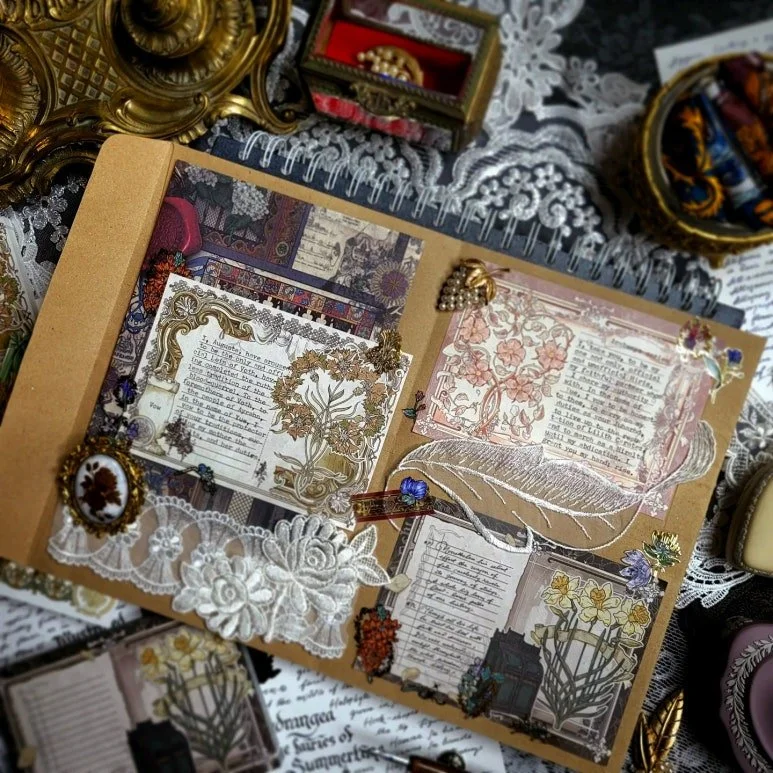
Hello,
this is SALEIGN’S LAIR, where I record the delicacy of old things through line.
Today, I would like to talk briefly about the Language of Flowers.
The language of flowers appears often in romance and fantasy stories. Flowers are given symbolic meanings, almost like a code, and are used to communicate feelings to lovers, acquaintances, or members of society without saying them directly.
But when did this custom begin? And how were these meanings decided? If I loosely divide the origins of flower meanings into several categories, they might look something like this. This is, of course, only my own way of organizing them.
1. Meanings derived from religion and culture
Many plants have acquired symbolic meanings through myths, religious texts, legends, and cultural traditions.
Among the best-known examples are flowers associated with Greek and Roman mythology, such as anemones, hyacinths, laurels, and narcissus. Christianity has also given symbolic meaning to many plants, including figs and the fruit of the Tree of Knowledge.
In Buddhism, the lotus is perhaps the most representative flower. Across religions and cultures, plants that appear in myths, creation stories, sacred texts, and legends gradually come to carry meanings far beyond their botanical existence.
2. Meanings derived from appearance
Snapdragons are a charming example. When you gently squeeze the sides of a snapdragon flower, its mouth-like corolla opens and closes as though it were talking. Perhaps for this reason, the flower has sometimes been associated with chattiness or talkativeness.
Because people imagine different things from the same appearance, however, flower meanings often contradict one another. I personally found the symbolism of Calceolaria amusing. Its pouch-shaped flowers resemble little purses, and one meaning attributed to it is something like: I will give you all my wealth.
Color can also create entirely different meanings. Yellow roses, for instance, may still belong to the wider symbolism of roses and love, yet they have also been associated with jealousy, separation, or a love that has come to an end.
3. Meanings derived from botanical characteristics
Some meanings come directly from the way a plant grows, flowers, or disperses its seeds. Cockscomb and statice retain much of their shape even after drying. Because of this, they have been associated with ideas such as eternal love or love that never fades.
Balsam is another familiar example. When its seed pods become fully mature, even a light touch can cause them to burst open and scatter their seeds. This characteristic has led to the meaning, Do not touch me.
Zinnias and globe amaranths are also associated with longevity. Their names and symbolism are sometimes explained through the length of time they remain in bloom, or through the way their forms are preserved when dried.
4. Meanings derived from season and time
Some meanings are connected to when flowers bloom. Forsythia, lilac, and evening primrose, for example, have been associated with ideas such as hope, first love, or spirits of the night because of the seasons or times in which they appear.
The origins of many of these meanings are difficult to trace with certainty. But language is ultimately shaped by the people who use it. Even when we cannot identify a single origin, that does not mean the meaning itself is without value.
Records suggest that a more elaborate culture surrounding flower symbolism flourished in the Ottoman Empire, in what is now Türkiye, around the seventeenth century. One custom often mentioned in this context is Selam, in which flowers and other objects were exchanged with symbolic meanings attached to them. The practice was connected to the belief that divine meaning could be reflected through flowers. Among lovers, family members, and others, combinations of flowers could be exchanged almost like letters, with each object carrying part of a message.
By the eighteenth century, this culture of symbolic flowers began to attract attention in Europe. Two figures are often mentioned in connection with this transmission. The French traveller and diplomat Aubry de la Mottraye referred to Ottoman customs in his memoirs, which were published in Europe. Perhaps more famously, Lady Mary Wortley Montagu, wife of the British ambassador to the Ottoman Empire, wrote letters to friends in England describing what she had encountered while living in Türkiye. Her letters were later published after her death, in the mid-eighteenth century.
The language of flowers became especially fashionable in nineteenth-century France. Louise Cortambert, writing under the name Charlotte de la Tour, published Le Langage des Fleurs, a book that organized the symbolic meanings of hundreds of flowers. Even before such books appeared, European high society had already begun to use flowers and floral metaphors as indirect ways of speaking about people and relationships. But once the meanings were collected and published, the culture of flower symbolism spread much more widely. The fashion moved from France to Britain, where it became enormously popular during the Victorian era.
Literary traditions also contributed to the popularity of floral symbolism. References to flowers in Shakespeare and other literature helped make flowers familiar as vehicles for implication, character, and emotion. By the late nineteenth and early twentieth centuries, this interest had also reached Japan, where books explaining flower meanings began to appear.
What struck me most while researching the history of the language of flowers was this:
It is not actually as old a custom as I had imagined.
Or perhaps such practices existed much earlier, and we simply have not found enough written records of them. Then again, this entire history may itself reflect the way early modern Europeans organized and recorded the subject. When I think about the ancient Greeks debating through references to myths, gods, and plants, I sometimes wonder whether that, too, could be considered a kind of language of flowers.
Fragments of meaning. Fragments of culture. Fragments of messages. As a creator, I find the language of flowers endlessly fascinating.
But if someone asked me to conduct an actual conversation using flower meanings today, I suspect I would fail spectacularly to become a sophisticated noble lady from a romance fantasy novel and simply stand there, completely lost. These days, after all, we do not usually conduct conversations by constantly quoting proverbs or four-character idioms either. Communicating through layers of symbolic language would probably feel unfamiliar to most of us.
And yet we have not abandoned this culture entirely. On special occasions, we still give flowers whose meanings have become socially understood—carnations on Parents’ Day or Teachers’ Day, for example.
In early modern France and Britain, there were even small books and cards explaining the language of flowers, designed to be carried around and consulted almost like cheat sheets.
When I first read about this, I laughed. People really are not so different, whether now or centuries ago. If flower meanings were once considered part of one’s cultural education, then I imagine anyone who has survived the Korean school system can sympathize with the frustration of having to memorize yet another long list of meanings.
Today’s Flower Journal (Records of Flora) ends here.
SALEIGN’S LAIR
Flower Journal #4
